Rufous-headed Tanager Distribution Map & Range
The distribution map for this species will be available soon.
We are working with our official data partners to update this information.

Sign in with your Google account to access all features

| Scientific Name | Hemithraupis ruficapilla |
|---|---|
| Status | LC Least Concern |
| Size | 17-18 cm (7-7 inch) |
| Colors |
Green
Brown
|
| Type |
Perching Birds

|
| Family | Tanagers |
The Rufous-headed Tanager (Hemithraupis ruficapilla) is a captivating member of the Thraupidae family, known for its distinctive appearance and vibrant presence within its natural range. As a small, energetic perching bird, it has long fascinated ornithologists and birdwatchers alike. Native primarily to the Atlantic Forest regions of Brazil, this species is a jewel of the canopy, often moving in mixed-species flocks that bring life to the dense foliage. With its striking rufous head contrasted against a primarily olive-green body, the species is easily identifiable to those who know what to look for. Understanding the biology and ecological role of the Rufous-headed Tanager is essential for grasping the biodiversity of South American woodlands. This bird serves as a critical indicator of forest health, and its presence often signals a thriving, complex ecosystem. Throughout this guide, we explore the intricate details of its life cycle, from its specialized diet to its complex social behaviors, providing a comprehensive overview for enthusiasts and researchers interested in neotropical avian life.
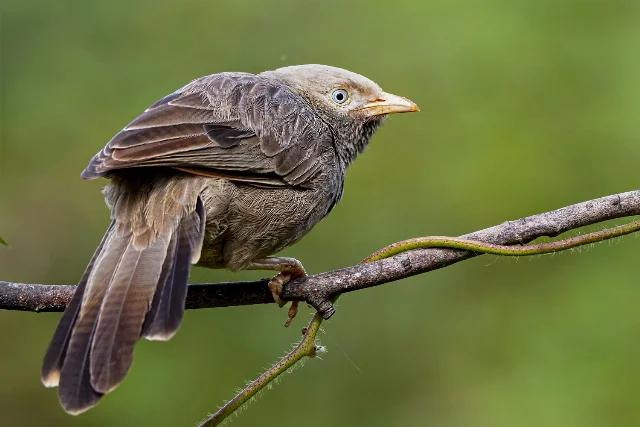
Measuring approximately 17 to 18 cm in length, the Rufous-headed Tanager is a medium-sized tanager characterized by a slender build and elegant silhouette. The most defining feature of the male is its namesake rufous-colored head, which contrasts sharply with the olive-green plumage that dominates its back, wings, and tail. The underparts typically transition into a lighter, more yellowish-green hue, allowing the bird to blend seamlessly into the dappled sunlight of the forest canopy. The female, while sharing the same general shape and size, displays more muted, brownish-olive tones, which provide superior camouflage during the nesting season. Both sexes possess a sharp, thin bill adapted for gleaning insects and reaching into small crevices. Their wings are relatively short but powerful, enabling the quick, darting flight maneuvers necessary for navigating the dense understory and mid-canopy levels of their habitat. The plumage texture is soft and dense, providing insulation during cooler mornings in the misty Atlantic forests where they primarily reside.
The Rufous-headed Tanager is an endemic species primarily associated with the Atlantic Forest biome of eastern Brazil. It prefers humid, montane forests, often found in the mid-to-upper levels of the canopy and forest edges. Unlike some species that remain strictly in the deep primary forest, the Rufous-headed Tanager is somewhat adaptable and can occasionally be spotted in secondary growth, provided there is a sufficient density of trees and shrubs. They are highly dependent on the vertical structure of the forest, which they utilize for both foraging and protection from predators. Their range spans from the coastal mountains to the interior foothills, where they thrive in the high-humidity microclimates that characterize these lush, evergreen environments.
As an active forager, the Rufous-headed Tanager possesses a diverse diet that reflects its agile nature. It is primarily insectivorous, spending a significant portion of its day gleaning small insects, larvae, and spiders from the undersides of leaves and branches. This behavior is often performed while the bird is in constant motion, hanging from twigs or hovering briefly to snatch prey. In addition to its insect-based diet, the Rufous-headed Tanager also incorporates small fruits and berries into its nutrition, especially during seasons when insect populations may fluctuate. This omnivorous flexibility allows it to remain energetic throughout the year, maintaining its high metabolism as it navigates the complex forest structure in search of sustenance.
The breeding season of the Rufous-headed Tanager is a period of intense activity and architectural precision. These birds construct small, cup-shaped nests, typically woven from fine plant fibers, mosses, and spider silk for structural integrity. The nests are usually placed in the fork of a horizontal branch, well-hidden within the dense foliage of the mid-canopy to protect eggs and fledglings from predators. Both parents are involved in the process, although the female often takes the lead in construction and incubation. A typical clutch consists of two to three eggs, which are incubated for roughly two weeks. Once hatched, the chicks are fed a protein-rich diet of insects by both parents until they are ready to fledge, which usually occurs about 14 to 18 days after hatching.
Socially, the Rufous-headed Tanager is a highly gregarious bird. It is frequently observed traveling in mixed-species flocks, a common strategy among neotropical forest birds to increase foraging efficiency and predator detection. Within these flocks, the Rufous-headed Tanager is constantly on the move, maintaining contact with its peers through high-pitched, thin vocalizations. They are agile and acrobatic, often seen performing quick, jerky movements as they inspect foliage for prey. Despite their social nature, they remain cautious and alert, quickly retreating into the deeper cover of the canopy if they detect a potential threat, showcasing their well-developed survival instincts in the dense forest environment.
The Rufous-headed Tanager is currently classified as a species of 'Least Concern' by the IUCN; however, this status is somewhat deceptive. As an inhabitant of the Atlantic Forest—one of the most fragmented and threatened biomes in the world—its long-term survival is intrinsically linked to habitat preservation. While the species shows some tolerance for secondary forests, large-scale deforestation and habitat loss remain significant threats. Continued monitoring and the protection of remaining forest corridors are vital to ensure that these beautiful birds continue to thrive in their natural range, avoiding future population declines.
For birdwatchers seeking the Rufous-headed Tanager, patience and the right equipment are essential. Because they are canopy dwellers, you will need a high-quality pair of binoculars or a spotting scope to see them clearly against the bright sky. The best time to observe them is during the early morning when they are most active and vocal. Listen for their high-pitched, thin calls, which often give away their location within a mixed-species flock. Moving slowly through forest trails and scanning the mid-to-upper canopy levels will increase your chances of a sighting. Remember that they are fast and erratic, so keeping your eyes on the movement rather than just the color can help you track them through the dense leaves.
The Rufous-headed Tanager is a remarkable example of the avian diversity found within the Atlantic Forest of Brazil. Its vibrant coloration and energetic behavior make it a favorite for those lucky enough to spot it in its natural habitat. By understanding its specific needs—ranging from its insect-heavy diet to its intricate nesting strategies—we gain a deeper appreciation for the delicate balance of the forest ecosystem. As we continue to study and protect these habitats, species like the Rufous-headed Tanager serve as a reminder of the beauty we risk losing if we do not prioritize conservation efforts. Whether you are a seasoned ornithologist or a casual birdwatcher, encountering this tanager is a rewarding experience that highlights the complexity and wonder of the natural world. Protecting the forests they call home is not just about saving a single species, but about preserving the intricate web of life that sustains the planet's biodiversity for future generations. We encourage everyone to support local conservation initiatives that focus on the Atlantic Forest, ensuring that the Rufous-headed Tanager continues to flit through the canopy for years to come.
We are working with our official data partners to update this information.
Tag:


Birds have their own beautiful world, we should not interfere in it. We should enjoy this beauty. Its beauty should be captured in the camera but be careful not to disturb them.
Tap a language to switch instantly.
Tap a language to switch instantly.