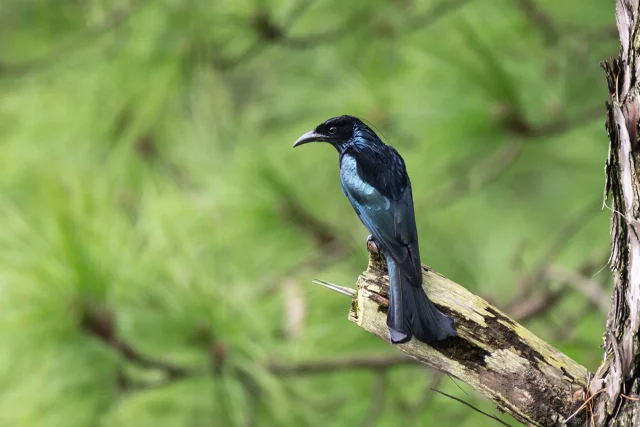
Brown Tanager Basic Information
| Scientific Name |
Orchesticus abeillei
|
| Status |
NT
Near Threatened
|
| Size |
17-19 cm (7-7 inch)
|
| Colors |
|
| Type |
|
| Family |
Tanagers |
Introduction
The Brown Tanager, scientifically known as Orchesticus abeillei, is a fascinating and somewhat elusive member of the Thraupidae family. Often overlooked due to its subtle plumage, this species represents a unique evolutionary lineage within the diverse world of Neotropical perching birds. Native to the dense, humid forests of southeastern Brazil, the Brown Tanager occupies a specialized niche that makes it a prized sighting for dedicated ornithologists and birdwatchers alike. Unlike some of its more brightly colored relatives, this bird relies on its cryptic coloration to remain hidden within the dense foliage of the Atlantic Forest canopy. Understanding the life history of the Brown Tanager is essential for grasping the broader ecological dynamics of its habitat. As we delve into the specifics of its biology, behavior, and conservation needs, it becomes clear that this species is not only a beautiful example of avian diversity but also an indicator of the health of the ecosystems it calls home. This comprehensive guide provides a deep dive into every aspect of this remarkable bird, from its physical features to its complex breeding habits.
Physical Appearance
The Brown Tanager is a medium-sized perching bird, typically measuring between 17 and 19 centimeters in length. Its physical appearance is characterized by a sophisticated, albeit understated, palette of earthy tones. The primary color of the bird is a rich, warm brown that covers the majority of its body, providing excellent camouflage against the bark and leaves of its forest home. This brown plumage is often accented with subtle variations in shade, ranging from chestnut to a deeper, umber tone on the wings and tail. A defining secondary feature of the Brown Tanager is the presence of white markings, which are most prominent around the throat and under-eye regions, adding a stark contrast that helps in species identification. The bill is typically sturdy, reflecting its dietary needs, and the eyes are often dark and alert. The overall build of the bird is robust, typical of tanagers that frequent mid-to-high canopy layers. Its silhouette is streamlined, allowing for agile movement through tangled branches, while its feathers are dense, protecting it from the high humidity of its native environment. These physical adaptations are perfectly suited for a life spent foraging in the dense, multi-layered vegetation of the Atlantic Forest.
Habitat
The Brown Tanager is primarily endemic to the Atlantic Forest biome in southeastern Brazil. This specific habitat is characterized by high levels of humidity, dense undergrowth, and a complex canopy structure that provides both food and shelter. These birds prefer the interior of humid, montane forests, often found at elevations ranging from 500 to 1,500 meters. They are rarely seen in open areas or fragmented forest patches, as they rely heavily on the continuous cover provided by mature trees. The presence of epiphytes, mosses, and a variety of fruiting trees within these forest tracts is crucial for their survival, as these elements provide both nesting materials and essential sustenance throughout the changing seasons.
Diet
The diet of the Brown Tanager is primarily frugivorous, though it is opportunistic in its feeding habits. These birds spend a significant portion of their day foraging for various forest fruits, berries, and seeds found in the canopy. Their strong, specialized bills allow them to handle fruits of varying sizes and textures. In addition to plant matter, the Brown Tanager also consumes small insects and arthropods, especially during the breeding season when the need for protein-rich food for their developing chicks is high. By moving through the branches in small groups or pairs, they efficiently scan the foliage for their next meal, playing a vital role in seed dispersal within their ecosystem.
Breeding and Nesting
Breeding for the Brown Tanager typically coincides with the period of greatest food abundance, usually during the warmer, wetter months of the year. The pair forms a strong bond, working together to construct a cup-shaped nest, which is meticulously built using fine twigs, mosses, and lichen to blend seamlessly into the surrounding environment. These nests are often placed high in the canopy to avoid predators. The female usually lays a small clutch of eggs, which she incubates while the male provides food and guards the territory. Both parents are highly attentive, sharing the responsibilities of feeding the nestlings once they hatch. The fledging process is a critical time, as the young birds must quickly learn to navigate the dense forest canopy under the watchful eyes of their parents.
Behavior
Brown Tanagers are generally social birds, often seen in pairs or small family groups. They exhibit a relatively calm demeanor while foraging, moving deliberately through the branches rather than flitting erratically. While they are not particularly vocal compared to other songbirds, they do possess a series of soft, melodic calls used for communication within the group. They are known for being somewhat shy and reclusive, often retreating deeper into the canopy when they sense potential danger. Their behavior is largely centered around maintaining social cohesion and efficiently exploiting the food resources available within their specific home range in the Atlantic Forest.
Conservation Status
-
NT
Near Threatened
The conservation status of the Brown Tanager is a subject of concern due to the ongoing fragmentation and degradation of the Atlantic Forest. As a species that relies on stable, mature forest interiors, they are particularly vulnerable to habitat loss caused by logging, agriculture, and urban expansion. Currently, they are classified as near-threatened or vulnerable in some regions. Conservation efforts are focused on protecting remaining forest corridors and promoting reforestation projects to ensure that these birds have the space and resources necessary to maintain healthy, viable populations for future generations.
Interesting Facts
- The Brown Tanager is considered an endemic species to the Atlantic Forest of Brazil.
- Despite their name, their white markings provide a distinct contrast that helps in field identification.
- They play an important ecological role as seed dispersers for many native tree species.
- They are known for their quiet and shy behavior, making them a challenging find for birdwatchers.
- The species belongs to the family Thraupidae, which is one of the most diverse bird families in the Neotropics.
Tips for Birdwatchers
For birdwatchers hoping to spot the elusive Brown Tanager, patience is the most important tool. Because they prefer the interior of dense, humid forests, finding them requires careful observation of the canopy layers. Early morning is the best time for activity, as the birds are most vocal and active while foraging for food. Using high-quality binoculars or a spotting scope is essential to distinguish them from other similar-looking species in the same habitat. It is also recommended to learn their specific calls, as this is often the first indication of their presence. Always maintain a respectful distance to avoid disturbing their natural behavior and nesting activities.
Conclusion
In summary, the Brown Tanager (Orchesticus abeillei) is a remarkable testament to the biodiversity of the Atlantic Forest. Its unique physical characteristics, coupled with its specialized diet and habitat requirements, make it a key species for understanding the health of its ecosystem. While it may not possess the brilliant colors of other tanagers, its role as a seed disperser and its complex social behaviors highlight the intricate connections within the rainforest. Protecting the Brown Tanager is synonymous with protecting the precious, endangered habitat it calls home. As environmental pressures continue to mount, it is our collective responsibility to support conservation initiatives that preserve the integrity of these forests. For those fortunate enough to catch a glimpse of this beautiful bird, it serves as a reminder of the hidden wonders that exist within the canopy. By valuing and studying species like the Brown Tanager, we contribute to a broader appreciation for the natural world and the urgent need to preserve it for the future. Whether you are a scientist, a birdwatcher, or simply an enthusiast, the Brown Tanager offers a deep and rewarding look into the life of a truly unique avian species.
Brown Tanager Distribution Map & Range
The distribution map for this species will be available soon.
We are working with our official data partners to update this information.