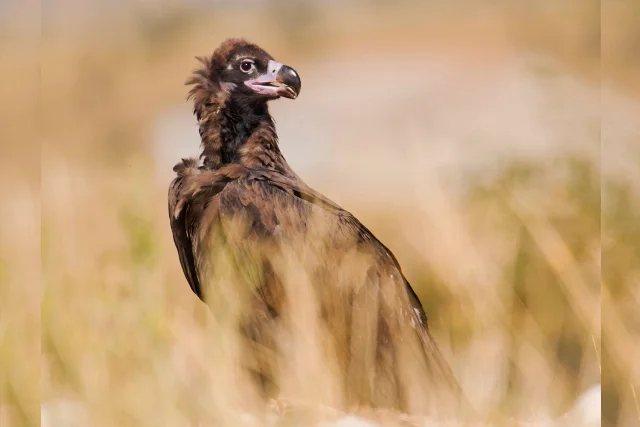
Three-striped Hemispingus Basic Information
| Scientific Name |
Microspingus trifasciatus
|
| Status |
LC
Least Concern
|
| Size |
14-15 cm (6-6 inch)
|
| Colors |
|
| Type |
|
| Family |
Tanagers |
Introduction
The Three-striped Hemispingus (Microspingus trifasciatus) is a captivating and somewhat elusive species of perching bird that captures the imagination of ornithologists and birdwatchers alike. Primarily found in the high-altitude regions of the Andes, this small, passerine bird is a member of the diverse Thraupidae family. Often identified by its distinct plumage patterns and active foraging behavior, the Three-striped Hemispingus represents the rich avian biodiversity found within South America’s cloud forests. While it may not be as well-known as some of the more colorful tanagers, its unique ecological niche and specific habitat requirements make it a fascinating subject for avian research. Understanding the life cycle, dietary preferences, and environmental needs of this species is crucial for conservation efforts in the region. As we delve into the specifics of the Three-striped Hemispingus, we gain deeper insight into the delicate balance of the high-elevation ecosystems it calls home, highlighting why protection of these habitats is paramount for its long-term survival.
Physical Appearance
The Three-striped Hemispingus is a relatively small bird, typically measuring between 14 and 15 centimeters in length. Its physical appearance is characterized by a sophisticated, albeit subtle, color palette that allows it to blend seamlessly into its forested environment. The primary color of the bird is a rich, earthy olive, which covers much of the upper body, wings, and tail. This olive plumage provides excellent camouflage against the mossy branches and dense foliage of the cloud forests.
Perhaps the most striking feature of the Microspingus trifasciatus is the secondary coloration that gives the species its common name. It possesses distinct black markings on its head, specifically forming stripes that frame its face and crown. These bold, dark lines contrast sharply with its olive body, serving as a key diagnostic feature for birdwatchers attempting to identify the species in the field. The bird has a relatively slender build, typical of its taxonomic group, and a sharp, pointed beak perfectly adapted for gleaning insects from leaves and stems. Its dark eyes and nimble feet further enhance its appearance as an agile, active inhabitant of the canopy and sub-canopy layers. Overall, the combination of its muted base tones and the dramatic facial striping makes the Three-striped Hemispingus a visually distinct, yet masterfully hidden, member of the avian community.
Habitat
The Three-striped Hemispingus is predominantly restricted to the humid, high-altitude montane forests of the Andes. These regions, often referred to as cloud forests, provide the cool, moisture-rich environment that the species requires. They are typically found at elevations ranging from 2,000 to 3,500 meters above sea level. This specific altitudinal range is characterized by dense vegetation, an abundance of epiphytes, and thick layers of moss covering the trees. The bird favors areas with thick undergrowth and tangled shrubbery, where it can move about with agility while remaining shielded from larger predators. Fragmentation of these montane forests poses a significant threat to their specialized habitat.
Diet
As an active member of the forest ecosystem, the Three-striped Hemispingus maintains a diet that is primarily insectivorous, though it is known to supplement this with small fruits and berries. Its foraging behavior is highly energetic; it is frequently observed moving rapidly through the foliage, gleaning insects, larvae, and spiders from the undersides of leaves and along moss-covered branches. By consuming a wide variety of small arthropods, the species plays a vital role in natural pest control within its habitat. During periods when insect populations are lower, they opportunistically feed on berries produced by native shrubs, demonstrating a flexible dietary strategy that supports their survival in fluctuating mountain environments.
Breeding and Nesting
Breeding habits of the Three-striped Hemispingus are reflective of the challenging environment in which they reside. They typically construct cup-shaped nests, skillfully woven from fine plant fibers, moss, and spider silk to provide insulation and structural integrity. These nests are usually tucked deep within the dense foliage of a shrub or a small tree, often hidden from view by overhanging leaves to protect the clutch from predators. The female is primarily responsible for the incubation of the eggs, while both parents contribute to the feeding of the nestlings once they hatch. The breeding season often coincides with the period of peak food availability, ensuring that the offspring have the best chance of survival. Because of their secretive nature, detailed observations of their nesting cycles remain a subject of ongoing field studies by ornithologists.
Behavior
The Three-striped Hemispingus is a highly social and active bird, often seen foraging in small, energetic groups. It is rarely found sitting still, as it constantly moves through the mid-to-upper levels of the forest canopy. These birds frequently participate in mixed-species foraging flocks, a common behavior among Andean birds, which provides them with increased protection against predators and better access to food sources. Their vocalizations are often short, high-pitched calls that help keep group members in contact as they navigate the dense understory. They exhibit a cautious temperament, often retreating further into the foliage when they sense a disturbance in their immediate surroundings.
Conservation Status
-
LC
Least Concern
Currently, the Three-striped Hemispingus is classified as a species of Least Concern; however, this status is precarious due to its specialized habitat requirements. The primary threat to its long-term survival is the ongoing deforestation and degradation of Andean cloud forests due to agricultural expansion and climate change. Because this bird is so restricted to specific high-elevation zones, even minor shifts in temperature or habitat quality can have significant impacts on their population density. Continued monitoring and the protection of forest corridors are essential to ensure that these unique birds do not face future population declines.
Interesting Facts
- The name 'trifasciatus' refers to the three distinct stripes found on the bird's head.
- They are highly adept at moving through dense, moss-covered branches.
- These birds are a favorite sighting for birdwatchers exploring the high Andes.
- They often join mixed-species flocks to improve their foraging efficiency.
- The bird's olive coloration is a perfect evolutionary adaptation for life in mossy cloud forests.
- Despite their small size, they are surprisingly vocal when communicating within their foraging groups.
Tips for Birdwatchers
For birdwatchers hoping to spot the Three-striped Hemispingus, patience and preparation are key. The best approach is to visit high-altitude Andean cloud forests during the early morning hours when activity levels are at their peak. Because these birds are often part of mixed-species flocks, listening for the faint, high-pitched contact calls of other flock members can help you locate them. Use a high-quality pair of binoculars and be prepared to scan the dense, mossy branches where they prefer to forage. Since they are shy, try to remain as still as possible and avoid sudden movements. Learning their specific vocalizations beforehand will significantly improve your chances of identifying them amidst the complex sounds of the forest canopy.
Conclusion
In conclusion, the Three-striped Hemispingus serves as a remarkable example of specialized avian evolution within the high-altitude forests of the Andes. Its distinct olive plumage and characteristic facial stripes make it a sought-after species for birders, while its role as an insectivore highlights its importance to the health of its ecosystem. Despite being categorized currently as stable, the reliance of this species on undisturbed cloud forests means that its future is intrinsically linked to our global efforts to preserve these vital, biodiverse landscapes. By studying the behaviors, diet, and habitat needs of the Three-striped Hemispingus, we not only learn about a unique bird but also gain a deeper appreciation for the delicate complexities of mountain ecosystems. For birdwatchers and conservationists alike, the Three-striped Hemispingus remains a symbol of the hidden beauty found in the high reaches of the Andes. Protecting this bird means protecting the very forests that sustain a vast array of life, ensuring that future generations can continue to observe this fascinating perching bird in its natural, mist-covered home.
Three-striped Hemispingus Distribution Map & Range
The distribution map for this species will be available soon.
We are working with our official data partners to update this information.