Black-billed Thrush Distribution Map & Range
The distribution map for this species will be available soon.
We are working with our official data partners to update this information.

Sign in with your Google account to access all features


| Scientific Name | Turdus ignobilis |
|---|---|
| Status | LC Least Concern |
| Size | 23-25 cm (9-10 inch) |
| Colors |
Brown
White
|
| Type |
Perching Birds

|
| Family | Thrushes |
The Black-billed Thrush (Turdus ignobilis) is a fascinating member of the Turdidae family, commonly found across various landscapes in South America. As a quintessential perching bird, it captures the attention of bird enthusiasts and researchers alike with its subtle beauty and melodic presence. Often overshadowed by more colorful tropical species, this bird possesses a quiet elegance that reflects its adaptation to diverse environments, ranging from dense forests to urban gardens. Understanding the Black-billed Thrush requires a deep dive into its ecological niche, behavioral patterns, and the specific traits that allow it to thrive in the neotropics. Throughout this guide, we will explore the nuances of this species, providing a thorough overview of its biology, habitat preferences, and the role it plays within its ecosystem. Whether you are a seasoned ornithologist or a casual backyard birdwatcher, the Black-billed Thrush offers a rewarding subject for observation, characterized by its steady demeanor and complex vocalizations that define the dawn and dusk chorus in its native range.
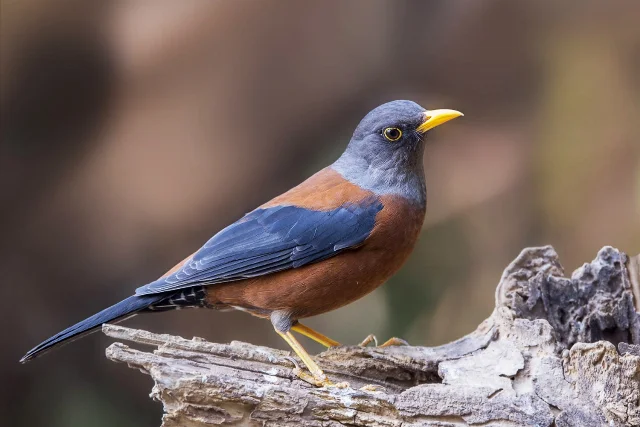
Standing approximately 23 to 25 cm in length, the Black-billed Thrush is a medium-sized bird with a build typical of the Turdus genus. Its primary plumage is characterized by a sophisticated palette of earthy brown tones, which provide excellent camouflage against the bark and foliage of its habitat. The dorsal feathers exhibit a slightly darker, rich brown hue, while the ventral side tends to be a lighter, washed-out shade, often transitioning to a whitish or pale grey color on the throat and belly. The most distinguishing feature, as its common name suggests, is its dark, blackish bill, which stands out against its relatively muted facial features. The eyes are often framed by a subtle ring, and the legs are typically a pale, grayish-pink. Both sexes look similar, displaying a monomorphic appearance that makes identification based on sexual dimorphism difficult in the field. Its streamlined body and sturdy, rounded wings facilitate agile flight through tangled undergrowth and dense canopy layers, marking it as a highly capable and well-adapted perching bird in its native environment.
The Black-billed Thrush is highly adaptable, inhabiting a wide variety of ecosystems across South America. You can typically find this species in humid lowland forests, forest edges, and secondary growth areas. Unlike more specialized forest birds, it frequently ventures into man-made environments, including coffee plantations, orchards, and urban parks. This versatility allows the species to maintain stable populations even in areas where natural forest cover has been fragmented. It prefers areas with a mix of dense cover for nesting and open spaces for foraging. Its presence in both pristine habitats and human-altered landscapes highlights its role as a resilient avian species capable of thriving in diverse ecological conditions.
As an omnivorous species, the Black-billed Thrush maintains a diverse diet that shifts according to seasonal availability. Its primary food sources include a wide variety of small fruits and berries, which it harvests from the canopy and understory shrubs. During the breeding season or when fruit is scarce, the bird supplements its intake with various invertebrates. It is frequently observed foraging on the ground, where it uses its sharp bill to probe leaf litter for insects, earthworms, and small larvae. This varied diet allows the thrush to remain active throughout the year, utilizing different food niches to sustain its metabolic needs efficiently.
The breeding cycle of the Black-billed Thrush is a meticulous process, typically timed with the onset of the rainy season to ensure an abundance of food for the hatchlings. The birds construct a cup-shaped nest, usually hidden within the dense foliage of a tree or a thick shrub, utilizing a combination of mud, twigs, and fine plant fibers to create a sturdy structure. The female is primarily responsible for the construction and the incubation of the eggs, which typically number between two and three. Both parents are highly protective, often exhibiting aggressive behavior toward intruders near the nest site. Once the chicks hatch, both adults share the responsibility of feeding the young, bringing a constant supply of insects to support their rapid development until they are ready to fledge.
The Black-billed Thrush is known for its relatively shy but active demeanor. It is often seen hopping along the ground or flitting through the lower branches of trees, constantly alert for predators. While it can be elusive, its presence is often betrayed by its complex and melodic song, which is most frequent during the early morning and late afternoon. It is generally a solitary bird, though it may be found in pairs during the breeding season. Its flight is direct and swift, allowing it to navigate through dense vegetation with ease. Its behavior reflects a balance between cautious foraging and territorial awareness.
Currently, the Black-billed Thrush is classified as a species of Least Concern by the IUCN. Its wide geographic distribution and ability to adapt to human-modified habitats have helped it maintain robust population levels. However, like many neotropical birds, it faces ongoing threats from habitat loss and deforestation. Continued research and monitoring are essential to ensure that local populations remain stable. Protecting existing forest corridors and promoting bird-friendly practices in agricultural areas are key strategies for long-term conservation, ensuring this species remains a common sight in its native range.
For birdwatchers seeking to observe the Black-billed Thrush, patience is the most important tool. Because they are often found in the lower strata of the forest or in dense gardens, they can be difficult to spot. Using high-quality binoculars and staying still in areas with active fruit-bearing trees will greatly increase your chances of a sighting. Listen for their distinct, melodic whistles during the early morning hours, which is when they are most active. If you are birding in an urban setting, check local parks with dense shrubbery, as these birds are surprisingly common in such areas. Always maintain a respectful distance to avoid disturbing their natural behaviors or nesting activities, and consider using a field guide to help distinguish them from other similar thrush species in the region.
In conclusion, the Black-billed Thrush (Turdus ignobilis) serves as a wonderful example of avian resilience and ecological importance in the South American landscape. While it may not possess the vibrant plumage of a macaw or the specialized features of a raptor, its quiet strength and adaptability make it a vital component of the ecosystems it inhabits. From its role in seed dispersal to its contribution to the morning bird chorus, this species enriches the environment in ways that are often overlooked by the casual observer. By studying the Black-billed Thrush, we gain deeper insights into the broader health of tropical habitats and the importance of preserving the diverse niches that support such fascinating perching birds. Whether through professional research or simple backyard observation, appreciating the nuances of this bird encourages a greater connection to the natural world. As we continue to face environmental challenges, the survival and success of species like the Black-billed Thrush remind us of the necessity of conservation efforts that protect not only the rare and endangered but also the common species that define the character of our shared natural heritage. Keep your ears open for their song, and you may find yourself captivated by the simple, enduring charm of this remarkable thrush.
We are working with our official data partners to update this information.
Tag:



Birds have their own beautiful world, we should not interfere in it. We should enjoy this beauty. Its beauty should be captured in the camera but be careful not to disturb them.
Tap a language to switch instantly.
Tap a language to switch instantly.



