Spot-winged Thrush
Geokichla spiloptera
Last update: 14 Jul 2026Spot-winged Thrush Basic Information
| Scientific Name | Geokichla spiloptera |
|---|---|
| Status | NT Near Threatened |
| Size | 24-26 cm (9-10 inch) |
| Colors |
Brown
Black
|
| Type |
Perching Birds
|
| Family | Thrushes |
Introduction
The Spot-winged Thrush (Geokichla spiloptera) is a truly remarkable and elusive species of perching bird that holds a special place in the hearts of ornithologists and bird enthusiasts alike. This medium-sized thrush is endemic to the lush, verdant forests of Sri Lanka, making it a highly sought-after sighting for birdwatchers visiting the island. Known for its shy and secretive nature, the Spot-winged Thrush often remains hidden within the dense undergrowth, revealing itself only to the most patient observers. Its unique plumage and distinct vocalizations differentiate it from other thrush species in the region. As a bird that thrives in specific forest ecosystems, it serves as an indicator of environmental health within its limited range. Understanding this species is not only a journey into the biodiversity of Sri Lanka but also a lesson in the importance of habitat conservation for endemic, range-restricted species that face ongoing threats from deforestation and land-use changes.
Physical Appearance
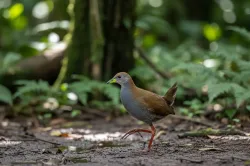
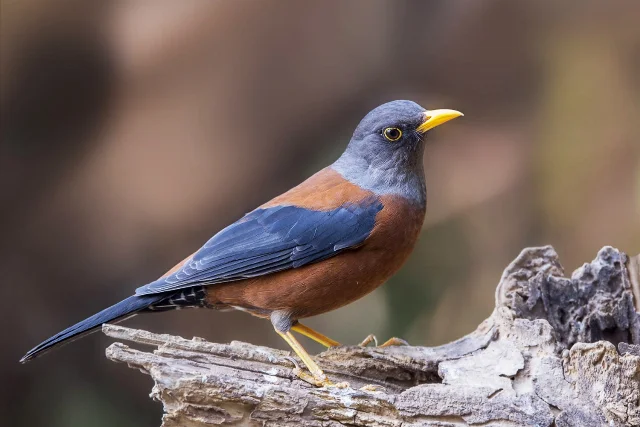
The Spot-winged Thrush is a striking bird, measuring approximately 24 to 26 centimeters in length. Its overall appearance is defined by a sophisticated color palette dominated by rich, earthy browns and contrasted with bold black markings. The bird's upperparts are primarily a deep, warm brown, which provides excellent camouflage against the forest floor and tree bark. A signature feature that gives the bird its name is the presence of distinctive, bold black spots on its wing coverts, which create a beautiful, speckled pattern visible even when the bird is perched. The underparts are generally paler, often featuring a creamy or white base with dark, crescent-shaped markings that extend down the breast and flanks. The head displays a subtle pattern, with pale patches that accentuate its dark, intelligent eyes. Its bill is relatively sturdy and dark, adapted for foraging in leaf litter, while its legs are pale, providing a stark contrast to its darker plumage. Juveniles may appear duller, but they share the characteristic wing patterns that make this species identifiable to experienced birders.
Habitat
The Spot-winged Thrush is highly specialized in its habitat requirements, favoring the moist, dense broad-leaved forests of Sri Lanka's wet zone. It is most frequently found in primary and secondary rainforests, as well as in well-wooded, shady gardens and plantations adjacent to forest edges. The bird prefers areas with a thick, humid understory where it can forage undisturbed among the leaf litter. It typically avoids open areas, instead sticking to the deep shade provided by the canopy. Its range is largely restricted to the southwestern part of the island, where high rainfall maintains the damp, cool microclimates this species requires for its survival and foraging success.
Diet
As a ground-dwelling insectivore, the diet of the Spot-winged Thrush consists primarily of invertebrates found within the damp leaf litter of the forest floor. It is frequently observed foraging by flicking aside fallen leaves with its bill to expose small beetles, earthworms, slugs, snails, and various insect larvae. Occasionally, it may also consume small fruits or berries found on low-hanging branches or the forest floor, diversifying its intake when insects are scarce. Its foraging style is methodical and quiet, allowing it to search for food in the shadows without alerting predators, which is essential given its relatively small size and ground-foraging habits.
Breeding and Nesting
The breeding season of the Spot-winged Thrush is closely tied to the monsoon cycles in Sri Lanka, typically occurring between March and June. During this time, both the male and female work together to construct a cup-shaped nest, which is masterfully built using twigs, roots, moss, and spiderwebs to bind the structure firmly against a tree fork or a horizontal branch, usually at a height of two to five meters above the ground. The nest is often camouflaged with lichen to blend into the surrounding foliage. The female typically lays two to three eggs, which are pale blue or greenish with reddish-brown spots. Both parents are involved in the incubation process and the subsequent feeding of the chicks, demonstrating high levels of parental care until the young are ready to fledge and fend for themselves in the forest.
Behavior
The Spot-winged Thrush is famously secretive and shy, which makes it a challenging bird to study in the wild. It is primarily crepuscular, meaning it is most active during the early morning and late evening hours when the forest light is dim. When disturbed, it typically freezes or retreats quietly into the dense undergrowth rather than taking flight. Its song is a beautiful, melancholic series of whistles that can be heard echoing through the forest during the breeding season. Despite its elusive nature, it is generally territorial, defending a small patch of forest floor where it finds its daily sustenance.
Conservation Status - NT Near Threatened
The Spot-winged Thrush is currently classified as Near Threatened by the IUCN. Its population is declining primarily due to the loss and fragmentation of its specialized forest habitat. As the human population in Sri Lanka expands, agricultural encroachment and infrastructure development continue to squeeze the remaining forest patches where this thrush lives. Conservation efforts are focused on protecting existing forest reserves and creating biological corridors to connect isolated populations. Public awareness and sustainable land management are crucial to preventing further population declines for this unique and beautiful endemic species.
Interesting Facts
- The Spot-winged Thrush is endemic, meaning it is found nowhere else on Earth except Sri Lanka.
- It is often referred to as one of the 'jewels' of the Sri Lankan rainforests due to its rarity.
- The bird's scientific name, Geokichla spiloptera, refers to its ground-dwelling habit and spotted wings.
- It is a master of camouflage, making it very difficult to spot even when it is just a few meters away.
- Unlike many other birds, its song is often described as one of the most hauntingly beautiful sounds in the Sri Lankan wild.
Tips for Birdwatchers
To increase your chances of spotting a Spot-winged Thrush, patience is your most valuable tool. Visit known hotspots in the wet zone, such as Sinharaja Forest Reserve, during the early dawn or late afternoon. Move slowly and silently, avoiding bright clothing that might contrast with the forest colors. Instead of looking for movement, scan the forest floor for the subtle flicking of leaves. Using high-quality binoculars is essential, as the bird often stays in the deep shade. If you hear a melodic, whistled song, stop moving and wait—the bird might be nearby. Always respect the habitat and maintain a quiet distance to avoid disturbing this shy species.
Conclusion
The Spot-winged Thrush stands as a testament to the incredible biological diversity found within the isolated forests of Sri Lanka. Through its unique physical characteristics, such as the distinctive spotted wings, and its secretive, ground-dwelling lifestyle, it has captured the imagination of birdwatchers worldwide. However, the future of this species remains precarious, tied directly to the protection of the island's remaining wet zone forests. As we continue to study and appreciate the Spot-winged Thrush, we must also recognize our collective responsibility to ensure that its habitat is preserved for future generations. By supporting local conservation initiatives and practicing ethical birdwatching, we can help protect this rare and fascinating perching bird from the brink of extinction. Whether you are a seasoned ornithologist or a casual nature lover, encountering the Spot-winged Thrush in its natural environment is a profound experience that highlights the beauty and fragility of our natural world. Let us cherish and protect such species, for they are the irreplaceable components that make our planet's ecosystems vibrant and healthy.
Tag: