White-throated Thrush Distribution Map & Range
The distribution map for this species will be available soon.
We are working with our official data partners to update this information.

Sign in with your Google account to access all features

| Scientific Name | Turdus assimilis |
|---|---|
| Status | LC Least Concern |
| Size | 22-24 cm (9-9 inch) |
| Colors |
Brown
White
|
| Type |
Perching Birds

|
| Family | Thrushes |
The White-throated Thrush, scientifically known as Turdus assimilis, is a fascinating member of the diverse thrush family. As a medium-sized perching bird, it captures the attention of ornithologists and bird enthusiasts alike with its subtle beauty and melodic presence. Found primarily across parts of Mexico and Central America, this species inhabits various forest ecosystems where it plays a vital role in the local ecology. Despite its somewhat understated plumage compared to more vibrant tropical birds, the White-throated Thrush possesses a distinct charm that defines its character. Understanding this species requires a deep dive into its unique behaviors, its specific environmental needs, and the challenges it faces in the wild. Whether you are a seasoned researcher or a novice backyard birder, the White-throated Thrush offers a rewarding subject for study, embodying the resilience and adaptability of the Turdus genus in diverse landscapes throughout its range.
Physically, the White-throated Thrush measures approximately 22 to 24 centimeters in length, making it a robust and well-proportioned avian species. Its primary coloration is a rich, earthy brown that coats its back, wings, and head, providing excellent camouflage against the forest floor and dense canopy foliage. The most defining feature, as its name suggests, is the striking white patch located on its throat, which often contrasts sharply with the darker tones of its breast and flanks. The underparts typically transition into a lighter, grayish-brown hue, creating a sophisticated color gradient. Its eyes are dark and alert, surrounded by a subtle eye-ring that enhances its expressive face. The beak is strong and pointed, perfectly adapted for foraging through leaf litter. Its legs are sturdy, typical of perching birds, allowing for agile movement along branches and the ground. This combination of muted tones and specific markings makes the White-throated Thrush a quintessential example of cryptic yet elegant bird design.
The White-throated Thrush thrives in a variety of forested environments, showing a particular preference for humid, montane forests and tropical woodlands. These birds are frequently found in the understory of dense forests, where the vegetation provides both protection from predators and a wealth of food resources. They are often spotted near the edges of clearings or along forest trails where the canopy allows enough light for thick undergrowth to develop. Their habitat requirements necessitate a stable environment with plenty of leaf litter, which is essential for their foraging style. As human development continues to encroach upon these natural spaces, the availability of high-quality, undisturbed forest remains a critical factor for the continued survival of this species in its native range.
As an omnivorous species, the White-throated Thrush maintains a varied diet that shifts depending on the seasonal availability of food. Its primary foraging activity involves hopping along the forest floor, using its bill to flip over leaves and debris in search of insects, earthworms, and small invertebrates. This makes them highly beneficial to the ecosystem by helping to control insect populations. In addition to animal protein, these birds are avid fruit eaters, particularly favoring small berries and wild fruits found in the forest understory. During the fruiting season, they can often be seen gathering in trees to feed, which also assists in seed dispersal throughout their habitat. This dietary flexibility allows them to navigate different seasons successfully, ensuring they always have access to essential nutrients.
Breeding for the White-throated Thrush is a carefully timed event, usually occurring during the warmer, more resource-rich months of the year. Both male and female birds participate in the construction of a sturdy, cup-shaped nest, which is typically built from twigs, moss, grass, and mud, often hidden securely in the fork of a tree or within dense shrubbery. The female usually lays a clutch of two to four eggs, which are carefully incubated for several weeks. During this time, the male is highly protective, often singing from nearby perches to defend his territory from intruders. Once the chicks hatch, both parents share the responsibility of feeding the young with a steady supply of insects. This cooperative behavior ensures the survival of the offspring until they are ready to fledge and begin their independent lives within the forest canopy.
The White-throated Thrush is generally known for its somewhat shy and elusive nature. While it is a vocal bird, especially during the breeding season when males sing complex, melodic songs to establish dominance, they are often difficult to spot as they tend to stay within the shadows of the understory. They are primarily solitary or found in pairs, rarely forming large flocks. Their movement is characterized by quick, hopping motions on the ground followed by short, fluttering flights to reach safety. Despite their timid demeanor, they are highly territorial and will vigorously defend their chosen nesting sites from other birds. Their ability to remain concealed while staying active makes them a master of stealth within their complex forest homes.
Currently, the White-throated Thrush is considered to be of Least Concern by major conservation organizations, as it maintains a relatively wide distribution and a stable population across its range. However, this does not mean they are immune to environmental threats. Habitat destruction due to deforestation, agricultural expansion, and urban development poses a significant risk to their long-term viability. Protecting the integrity of tropical and montane forests is essential to ensure that this species continues to thrive. Ongoing monitoring is necessary to track population trends and ensure that local conservation efforts are effective in preserving their unique ecological niche.
For birdwatchers hoping to catch a glimpse of the White-throated Thrush, patience is the most important tool. Because they are shy and prefer the dense understory, it is best to arrive early in the morning when they are most active and vocal. Find a quiet spot near a forest trail or an area with significant leaf litter and remain as still as possible. Using high-quality binoculars is essential for distinguishing their subtle plumage details. Listen carefully for their distinct song, which can help pinpoint their location before you see them. Avoid sudden movements or loud noises, as these birds are highly sensitive to disturbances. If you are patient, you may be rewarded with a view of this elegant bird foraging naturally in its environment.
The White-throated Thrush (Turdus assimilis) serves as a wonderful reminder of the hidden beauty within our world's forests. While it may not possess the bright, neon feathers of some tropical counterparts, its subtle brown plumage, elegant white throat, and melodious song make it a truly special species to observe. By understanding its dietary habits, nesting requirements, and elusive behavioral patterns, bird enthusiasts can gain a deeper appreciation for the complex life of this perching bird. As we continue to study and protect the forests they call home, we ensure that future generations will have the opportunity to experience the quiet joy of finding a White-throated Thrush in the wild. Whether you are conducting formal research or simply enjoying a walk through the woods, take a moment to listen for their song and appreciate the vital role they play in the ecosystem. Protecting the habitat of the White-throated Thrush is not just about saving one species; it is about preserving the rich, interconnected biodiversity that defines the health of our planet's forests.
We are working with our official data partners to update this information.
Tag:


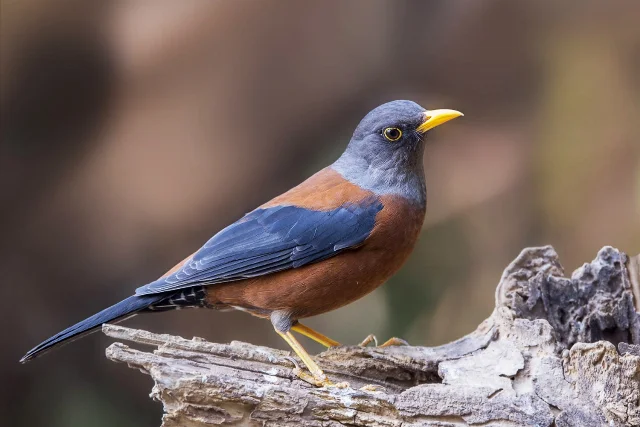


Birds have their own beautiful world, we should not interfere in it. We should enjoy this beauty. Its beauty should be captured in the camera but be careful not to disturb them.
Tap a language to switch instantly.
Tap a language to switch instantly.