Not available
Rufous-throated Thrush
Turdus ruficollis
Last update: 14 Jul 2026
Read in:
English
Español
Português
हिन्दी
বাংলা
தமிழ்
മലയാളം
मराठी
ગુજરાતી
తెలుగు
French
Deutsch
Русский
日本語
简体中文
Italiano
Tiếng Việt
العربية
ಕನ್ನಡ
ਪੰਜਾਬੀ
Rufous-throated Thrush Basic Information
| Scientific Name | Turdus ruficollis |
|---|---|
| Status | LC Least Concern |
| Size | 21-25 cm (8-10 inch) |
| Colors |
Brown
Rufous
|
| Type |
Perching Birds

|
| Family | Thrushes |
Introduction
The Rufous-throated Thrush (Turdus ruficollis) is a fascinating species of perching bird that captures the attention of ornithologists and bird enthusiasts alike. Belonging to the diverse Turdidae family, this thrush is known for its distinctive plumage and migratory nature. Primarily found across parts of Asia, it is a bird that thrives in varied environments, ranging from mountainous forests to open scrublands. Understanding the life cycle and ecological role of the Rufous-throated Thrush provides deep insights into the avian biodiversity of the Palearctic region. As a member of the genus Turdus, it shares many behavioral characteristics with its relatives, such as the common blackbird, yet it maintains its own unique charm. Whether you are a seasoned birdwatcher or a nature enthusiast, learning about this species offers a rewarding experience, as its presence often signals a healthy and vibrant ecosystem. This guide serves as a comprehensive resource for identifying and appreciating this remarkable bird in the wild.
Physical Appearance
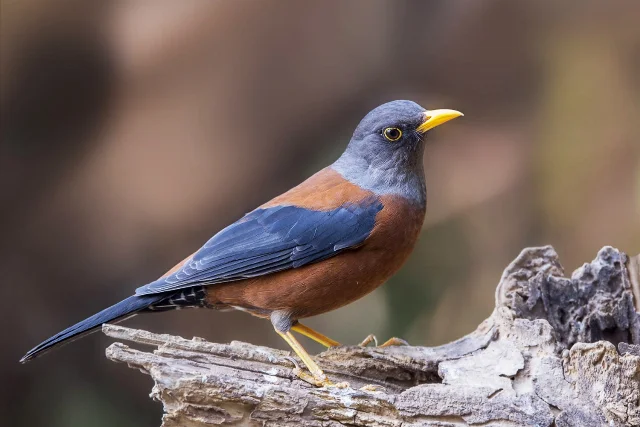
The Rufous-throated Thrush is a medium-sized bird, typically measuring between 21 and 25 cm in length. Its appearance is defined by a beautiful contrast of earthy tones. The primary plumage color is a rich, muted brown, which covers much of its upper body, wings, and tail, providing excellent camouflage against tree bark and forest floors. As its name suggests, the defining feature is the striking rufous coloration found on its throat and upper breast, which often extends to the under-wing coverts. The underparts are generally paler, often appearing greyish-white with darker spotting or streaking, especially in younger individuals. The beak is typically slender and dark, perfectly adapted for foraging, while its legs are sturdy, supporting its perching lifestyle. The eyes are dark and alert, often framed by a subtle eye-ring. Both males and females share similar color patterns, though males may exhibit slightly more vibrant rufous tones during the breeding season, making them a delight to observe in good lighting conditions.
Habitat
The Rufous-throated Thrush is highly adaptable, though it shows a clear preference for specific environments during its breeding and non-breeding seasons. It is most commonly found in open coniferous or mixed forests, particularly those with dense undergrowth that provides both shelter and foraging opportunities. During the summer, these birds migrate to high-altitude regions, often nesting in mountainous areas with scattered trees and shrubs. In the winter, they tend to move to lower elevations, where they can be spotted in parks, gardens, orchards, and agricultural fields. Their ability to transition between wild forest habitats and semi-urban landscapes makes them a versatile species, though they remain most at home in areas where they can find sufficient cover from predators while staying close to food sources.
Diet
As an omnivorous species, the Rufous-throated Thrush possesses a varied diet that changes according to the seasons. During the warmer months, their primary food source consists of invertebrates, including earthworms, beetles, spiders, and various insect larvae found on the ground or in low vegetation. This high-protein diet is essential for breeding and raising chicks. As autumn approaches and temperatures drop, the bird shifts its focus toward plant-based nutrition. They become avid consumers of berries, wild fruits, and seeds, which help them build up the fat reserves necessary for their long-distance migration. They are frequently seen hopping along the ground, using their keen eyesight to spot movement in the leaf litter before pouncing on their prey with precision.
Breeding and Nesting
The breeding season of the Rufous-throated Thrush is a period of intense activity, typically occurring in the spring and early summer. These birds are known for their meticulous nest-building skills. They construct cup-shaped nests out of twigs, grasses, moss, and mud, usually placed in the forks of trees or thick bushes to ensure stability and concealment. Once the nest is prepared, the female lays a clutch of eggs, usually numbering between three and five. Both parents are dedicated to the process, with the female doing the bulk of the incubation while the male guards the territory and brings food. After hatching, the chicks are fed a steady diet of insects to support their rapid growth. The fledging process is quick, and within a few weeks, the young birds are ready to leave the nest and explore their surroundings.
Behavior
Behaviorally, the Rufous-throated Thrush is often characterized as a shy and elusive bird, though it can become bolder in winter when foraging in human-modified landscapes. They are primarily terrestrial and are most often observed hopping across the ground in a rhythmic fashion, stopping frequently to inspect the soil for insects. They are generally solitary outside of the breeding season, although they may form loose flocks during migration or when feeding in areas with abundant fruit. Their flight is agile and direct, allowing them to navigate through dense forest cover with ease. When alarmed, they often take to the branches of a nearby tree, emitting a series of sharp, piping alarm calls to alert others in the vicinity of potential danger.
Conservation Status - LC Least Concern
Currently, the Rufous-throated Thrush is categorized as a species of Least Concern by major conservation organizations. This status reflects its relatively large distribution range and stable population trends. However, like many migratory birds, it faces ongoing threats from habitat loss due to deforestation, the intensification of agriculture, and the impacts of climate change on its breeding grounds. While the species is not currently at immediate risk of extinction, continued monitoring of population numbers and the protection of critical forest habitats remain vital to ensure that this beautiful thrush continues to thrive in the wild for generations to come.
Interesting Facts
- The Rufous-throated Thrush is a highly migratory species, traveling thousands of kilometers between its breeding and wintering grounds.
- They possess a unique hopping gait that helps them flush out insects from dense grass and leaf litter.
- The bird's rufous throat patch serves as a key identifying marker that distinguishes it from other similar thrush species.
- These birds are known to be quite vocal during the breeding season, performing complex songs to attract mates.
- They play an important role in forest ecosystems as seed dispersers, consuming various berries and spreading seeds across their range.
- Their nests are often reinforced with mud, making them extremely sturdy and capable of withstanding harsh weather conditions.
Tips for Birdwatchers
For birdwatchers hoping to spot the Rufous-throated Thrush, patience and timing are key. The best time to observe them is during the early morning or late afternoon when they are most active while foraging. Because they are often found on the ground, scanning the forest floor in quiet, wooded areas is a highly effective strategy. Using high-quality binoculars is essential, as these birds can be quite skittish and may retreat into the canopy if they sense movement. If you are birdwatching in winter, focus your search on berry-bearing bushes in gardens or orchards, as these are primary food sources. Additionally, familiarizing yourself with their distinct alarm calls can help you locate them before they are even visible in your field of view.
Pro-Tip: To spot this bird in dense forest canopy, a 8x42 binoculars or telescope is highly recommended.
- [Check out our top recommended gear here]
Conclusion
The Rufous-throated Thrush is truly a remarkable example of avian adaptation and endurance. From its elegant, earth-toned plumage to its complex migratory patterns, this bird embodies the resilience of nature. By studying the Rufous-throated Thrush, we gain a deeper appreciation for the delicate balance of our ecosystems and the importance of preserving the habitats they rely on. Whether they are foraging in a quiet forest or passing through a local park, these birds provide a fleeting yet beautiful connection to the wild world. As we continue to learn more about their behaviors, breeding habits, and dietary needs, we are better equipped to protect them and ensure their survival in an ever-changing environment. We encourage all bird enthusiasts to take the time to observe this species in its natural habitat, as it is a rewarding experience that highlights the incredible diversity of the avian world. With proper conservation efforts and public interest, the Rufous-throated Thrush will continue to be a cherished member of our global biodiversity, reminding us of the wonders that exist just outside our windows if we only take the time to look.
Tag:

200 Follower
is a writer who draws. He’s the Bestselling author of “Number of The Year”. Donec vitae tortor efficitur, convallis lelobortis elit.
Recent Posts



Subscribe For Daily Newsletter