Warning: Undefined variable $by_location in /home/odescxjtd641/public_html/beefound.in/bird-details.php on line 874
Varied Thrush
Ixoreus naevius
Last update: 30 Jul 2026
Read in:
English
Español
Português
हिन्दी
বাংলা
தமிழ்
മലയാളം
मराठी
ગુજરાતી
తెలుగు
French
Deutsch
Русский
日本語
简体中文
Italiano
Tiếng Việt
العربية
ಕನ್ನಡ
ਪੰਜਾਬੀ
Varied Thrush Basic Information
| Scientific Name | Ixoreus naevius |
|---|---|
| Status | LC Least Concern |
| Size | 20-26 cm (8-10 inch) |
| Colors |
Orange
Black
|
| Type |
Perching Birds

|
| Family | Thrushes |
Introduction
The Varied Thrush (Ixoreus naevius) is one of the most visually arresting songbirds found within the coniferous forests of western North America. Often described as a darker, more dramatic cousin of the American Robin, this member of the thrush family captures the attention of birders with its bold, contrasting plumage. Unlike many other species that are known for their frantic movement, the Varied Thrush possesses a stoic, almost mysterious presence. It is a bird that thrives in the damp, shaded understories of the Pacific Northwest, where its haunting, buzzy song often acts as the soundtrack to misty mornings. As a specialized inhabitant of old-growth forests, the Varied Thrush is a testament to the ecological complexity of the region. Understanding this bird requires a deep appreciation for the dense, moss-covered habitats it calls home. Whether you are a seasoned ornithologist or a casual backyard birdwatcher, encountering a Varied Thrush is always a highlight, as its beauty is matched only by its elusive and fascinating life history, which remains a subject of ongoing study by experts globally.
Physical Appearance
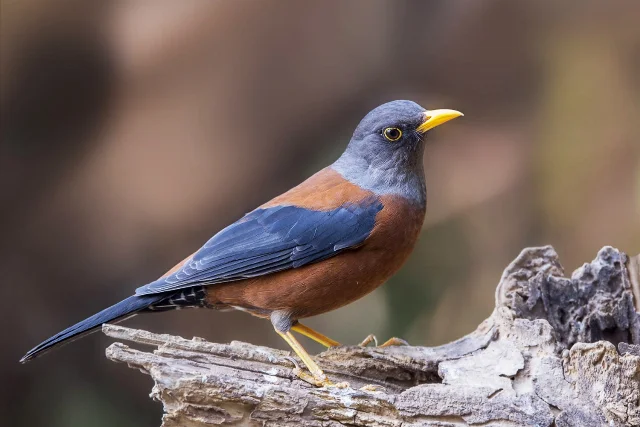
The Varied Thrush is a medium-sized perching bird, measuring approximately 20 to 26 cm in length. Its appearance is characterized by a striking pattern of orange and black feathers that create a high-contrast aesthetic. The male is particularly vibrant, sporting a deep, burnt-orange breast, throat, and eyebrow, which are set against a dark, slate-black back and wings. A prominent black band crosses the chest, effectively separating the orange throat from the belly. The wings feature two distinct orange bars, and the tail is dark with white-tipped outer feathers, which become visible during flight. Females and juveniles generally exhibit a slightly more muted color palette, often appearing as a duller brownish-orange compared to the intense saturation of the adult male, yet they maintain the same distinctive facial markings and wing bars. Their bill is dark and sturdy, adapted for foraging in the leaf litter, and their legs are a pale, flesh-colored hue. This combination of bold colors and sharp lines allows the bird to blend surprisingly well into the dappled light of the forest floor, where shadows and highlights dance across their plumage, providing effective camouflage against predators while maintaining their status as one of the most beautiful forest-dwelling species in their range.
Habitat
The Varied Thrush is primarily found in the dense, cool, and humid coniferous forests of western North America, ranging from Alaska down through British Columbia and into the Pacific Northwest of the United States. They show a strong preference for old-growth forests, specifically those dominated by western hemlock, Sitka spruce, and Douglas fir. These environments provide the thick, shaded understory and deep layers of moist leaf litter that the species requires for foraging. While they are essentially forest birds, they can occasionally be spotted in suburban gardens or parks during the winter months, especially when food sources in the high country become scarce or buried under heavy snow cover.
Diet
The diet of the Varied Thrush is highly seasonal and opportunistic. During the breeding season, these birds are primarily insectivorous, feeding on a wide variety of beetles, caterpillars, ants, and spiders found in the forest understory. As autumn approaches and temperatures drop, their dietary focus shifts significantly toward plant matter. They become avid consumers of wild fruits, berries, and acorns, which provide the essential energy needed for winter survival or migration. In the winter, they are frequently seen foraging on the forest floor, using their strong bills to flip over damp leaves and debris to uncover hidden seeds or dormant insects, often competing with other thrushes for these vital resources.
Breeding and Nesting
Breeding for the Varied Thrush typically occurs in the remote, undisturbed reaches of the northern coniferous forest. The female is responsible for the majority of nest construction, building a sturdy, cup-shaped structure made of twigs, moss, lichens, and grasses, usually reinforced with mud. These nests are typically positioned in the dense foliage of a conifer, often several meters above the ground, to provide protection from predators. The female lays a clutch of two to four pale blue eggs, which she incubates for approximately two weeks. Both parents participate in the feeding of the nestlings, delivering a steady supply of insects to ensure rapid growth. Once the fledglings leave the nest, they remain under the care of the adults for a short period before becoming independent, marking the successful completion of a highly specialized reproductive cycle.
Behavior
Behaviorally, the Varied Thrush is known for being somewhat solitary and territorial, particularly during the breeding season. They are not typically social birds and are often observed alone or in small, loose groups during the winter. One of their most iconic behavioral traits is their song: a single, long, sustained, and slightly buzzy note that varies in pitch. This haunting sound can be heard echoing through the forest, often signaling their presence before they are actually seen. When foraging, they are methodical and quiet, often remaining motionless for long periods before darting forward to snatch an insect or seed from the moist soil.
Conservation Status - LC Least Concern
Currently, the Varied Thrush is classified as a species of least concern; however, this status masks potential threats to their long-term survival. Because they are heavily dependent on old-growth coniferous forests, they are particularly vulnerable to habitat loss caused by logging, deforestation, and changing climate patterns. As these primary forests are fragmented, the available nesting sites for the Varied Thrush decrease. Conservation efforts focused on protecting mature forest ecosystems are crucial to ensuring that this unique perching bird continues to thrive throughout its expansive North American range.
Interesting Facts
- The Varied Thrush's song consists of a single, long, whistled note that can sound like an eerie, metallic buzz.
- They are known to be quite aggressive at bird feeders during the winter, often chasing away smaller species.
- Their coloring is so distinct that they are sometimes mistaken for an exotic escaped pet bird by inexperienced observers.
- They are highly adapted to wet environments and are frequently seen foraging in the rain.
- During the winter, they may form large, loose flocks that roam in search of berry-rich habitats.
- They are considered a 'marker' species for the health of old-growth temperate rainforests.
Tips for Birdwatchers
To successfully spot a Varied Thrush, patience is your greatest asset. Because they prefer the deep, shaded understory of dense forests, they can be difficult to see even when they are nearby. Early morning is the best time to listen for their characteristic, long, buzzy whistled notes. When birding in the Pacific Northwest, focus your search on damp, mossy areas where the ground is covered in thick leaf litter. If you are birding in winter, keep a close eye on your backyard bird feeders, especially if you live near a wooded area. They are often attracted to high-fat food sources like suet or berries placed on platforms, as they prefer to forage on flat surfaces rather than hanging feeders.
Conclusion
The Varied Thrush (Ixoreus naevius) is a remarkable example of nature's artistry, blending perfectly into the majestic, mist-shrouded forests of the Pacific Northwest. With its vibrant orange plumage and sharp black markings, it serves as a visual reminder of the beauty hidden within the dense canopy. Throughout this guide, we have explored the various facets of this bird's life, from its specialized nesting habits in old-growth conifers to its opportunistic dietary needs that shift with the changing seasons. As a bird that values solitude and thrives in the quiet corners of the wilderness, the Varied Thrush remains an elusive yet rewarding subject for any serious ornithologist or bird enthusiast. Protecting the integrity of their forest habitats is essential, as these birds are intrinsically linked to the health of the ecosystems they inhabit. By understanding their behavior, habitat requirements, and the challenges they face, we can better appreciate the role they play in the biodiversity of North America. Whether you are listening to their haunting, buzzy song in a damp forest or catching a fleeting glimpse of orange in your winter garden, the Varied Thrush is a species that leaves a lasting impression, embodying the wild and resilient spirit of the deep woods. Continued observation and conservation efforts will ensure that future generations can also experience the wonder of encountering this magnificent perching bird in its natural environment.
Tag:

200 Follower
is a writer who draws. He’s the Bestselling author of “Number of The Year”. Donec vitae tortor efficitur, convallis lelobortis elit.
Recent Posts





Subscribe For Daily Newsletter