Floodplain Thrush Basic Information
| Scientific Name |
Turdus debilis
|
| Status |
LC
Least Concern
|
| Size |
20-22 cm (8-9 inch)
|
| Colors |
|
| Type |
|
| Family |
Thrushes |
Introduction
The Floodplain Thrush, scientifically known as Turdus debilis, is a fascinating species of perching bird that occupies a specific ecological niche within riparian zones. Often overlooked by casual observers due to its subtle coloration and elusive nature, this bird is a vital component of its ecosystem. Belonging to the diverse Turdidae family, the Floodplain Thrush exhibits characteristics typical of thrushes, including a melodious song and a cautious temperament. As the name implies, this species is heavily reliant on the habitats created by floodplains, where the seasonal rise and fall of water levels shape the availability of food and nesting sites. Understanding the life history of Turdus debilis requires a deep dive into its specialized adaptations, which allow it to thrive in environments that are prone to periodic inundation. Ornithologists continue to study this species to better understand how changing climate patterns and river management practices impact its long-term survival in the wild.
Physical Appearance
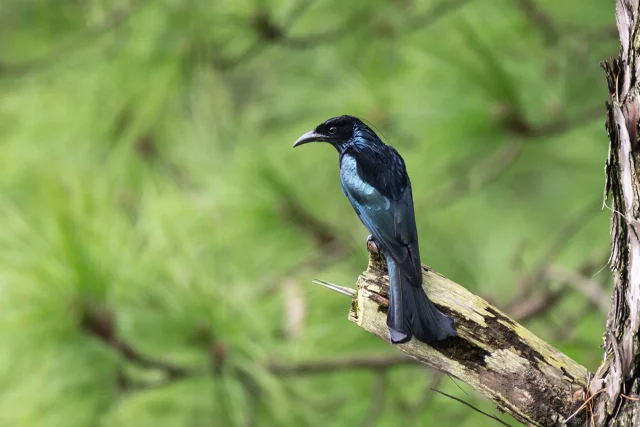
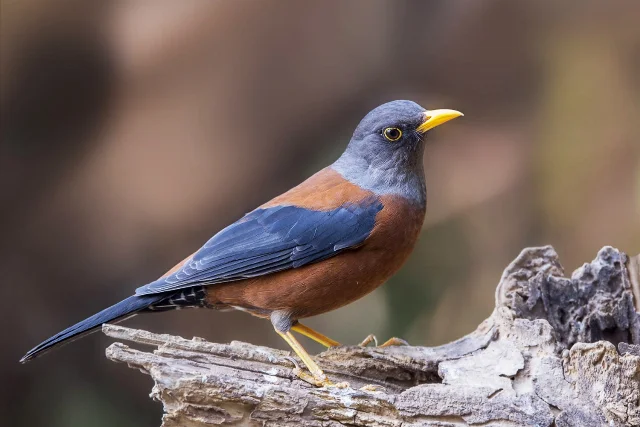
The Floodplain Thrush is a medium-sized bird, typically measuring between 20 and 22 centimeters in length. Its plumage is primarily a rich, earth-toned brown, which provides excellent camouflage against the muddy banks and leaf litter of its environment. This primary brown coloration is complemented by striking secondary white markings, which are most visible on the throat and the underbelly. These white patches create a high-contrast appearance, particularly when the bird is in flight or displaying. The bill is relatively slender, adapted for gleaning insects from foliage or probing soft soil. Its eyes are dark and alert, framed by a subtle eye-ring that is common among many Turdus species. The legs and feet are sturdy and well-developed, designed to support the bird as it hops along the ground or perches on low-hanging branches. Overall, the physical appearance of the Floodplain Thrush is one of functional elegance, perfectly suited for a life spent in dense, shaded, and often damp habitats.
Habitat
As its name suggests, the Floodplain Thrush is intrinsically linked to riparian ecosystems. It favors areas characterized by periodic flooding, such as riverine forests, marshes, and the edges of slow-moving streams. These habitats offer the dense understory vegetation that the bird requires for both foraging and nesting. The presence of soft, moisture-rich soil is critical, as it supports a high density of the invertebrates that constitute the majority of the bird's diet. While they are primarily terrestrial, they also utilize the lower canopy of flood-resistant trees for shelter from predators and as vantage points for singing during the breeding season. Conservation of these specific riverbank corridors is essential for the continued presence of the species.
Diet
The Floodplain Thrush is primarily an insectivore, though it exhibits opportunistic omnivorous tendencies. Its diet consists largely of earthworms, beetles, small caterpillars, and various other invertebrates found within the moist soil and leaf litter of the floodplain floor. During the wetter months, when insect activity is at its peak, the bird is highly active, spending much of its time foraging on the ground. In seasons where insect populations dwindle, the Floodplain Thrush supplements its intake with seasonal berries, small fruits, and seeds found in the riparian vegetation. This dietary flexibility allows the bird to survive the fluctuations in food availability that occur naturally in floodplain environments throughout the year.
Breeding and Nesting
The breeding season for the Floodplain Thrush is closely synchronized with the receding floodwaters, which expose nutrient-rich mud and increase food availability for potential nestlings. The nest is a complex, cup-shaped structure constructed primarily from mud, fine twigs, grasses, and moss, typically placed in the fork of a tree or a dense shrub within a few meters of the ground. Both the male and female participate in the construction, ensuring the nest is sturdy enough to withstand the humid environment. The female usually lays a clutch of three to four eggs, which are pale blue with reddish-brown speckles. Incubation lasts approximately two weeks, and both parents are actively involved in feeding the chicks, which fledge about three weeks after hatching.
Behavior
Behaviorally, the Floodplain Thrush is known for its shy and somewhat solitary nature. It is most active during the early morning and late afternoon hours, when it can be heard singing its complex, flute-like song. Unlike some other thrush species that are highly social, this bird prefers to remain hidden within the dense vegetation, making it a challenging subject for photographers. When alarmed, it quickly retreats into the shadows or flits to a higher branch to observe the source of the disturbance. Despite its cautious behavior, it is highly territorial during the breeding season, vigorously defending its nesting area from intruders of the same or other species.
Conservation Status
-
LC
Least Concern
The Floodplain Thrush is currently listed as a species of least concern, but this status is fragile. Its dependence on specific riparian habitats makes it highly vulnerable to habitat fragmentation, river channelization, and pollution. As human development continues to encroach upon wetlands and floodplain forests, the available territory for this bird decreases. Conservation efforts should focus on protecting these critical river corridors and maintaining the natural flow regimes of the rivers they inhabit. Monitoring population trends is necessary to ensure that local disturbances do not escalate into broader regional declines for this specialized bird.
Interesting Facts
- The Floodplain Thrush is known for its complex, flute-like song that can carry long distances across water.
- Its plumage is specially adapted to blend into the muddy, brown tones of the floodplain floor.
- Unlike many other birds, it actively uses mud as a primary building material for its nests.
- It is highly sensitive to changes in water levels and will abandon a nesting site if a sudden flood occurs.
- The bird has a unique 'wing-flicking' display used during courtship to show off its white secondary feathers.
- It plays a vital role in its ecosystem by controlling insect populations in the riparian understory.
Tips for Birdwatchers
For birdwatchers hoping to spot the Floodplain Thrush, patience is the most important tool. Because of their shy nature, these birds are best observed during the dawn chorus when they are most vocal. Look for them along the muddy edges of rivers or in dense, low-lying shrubs near water. Using high-quality binoculars is essential, as the bird’s brown plumage can be difficult to distinguish from the surrounding shadows. Remain as still and quiet as possible; any sudden movement will likely cause the bird to retreat deeper into the foliage. It is also helpful to learn their specific song, as you will likely hear them long before you actually catch a visual glimpse of them in the thickets.
Conclusion
In summary, the Floodplain Thrush (Turdus debilis) is a remarkable example of an avian species perfectly attuned to the rhythms of its riparian environment. From its specialized nesting habits that rely on the seasonal cycles of floodplains to its subtle yet effective camouflage, every aspect of this bird reflects a deep evolutionary connection to its habitat. While it may not possess the vibrant colors of tropical parrots or the soaring grace of raptors, the Floodplain Thrush provides an essential service to its ecosystem and offers a rewarding challenge for dedicated birdwatchers. Protecting this species means protecting the health of our rivers and the integrity of the floodplains that sustain diverse life forms. As we look toward the future, it is our responsibility to ensure that the habitats of the Floodplain Thrush are preserved against the pressures of development and climate change. By studying and appreciating birds like the Floodplain Thrush, we gain a better understanding of the delicate balance that exists within our natural world, reminding us of the importance of conserving even the most elusive species for generations to come.
Floodplain Thrush Distribution Map & Range
The distribution map for this species will be available soon.
We are working with our official data partners to update this information.